

 Clomid for Men: Can It Boost Male Fertility?
How Clomid Works Differently in Men
Unlike its traditional use in women, Clomid acts in men by tricking the brain into thinking testosterone levels are low. This prompts the pituitary gland to release more luteinizing hormone (LH) and follicle-stimulating hormone (FSH), both crucial for stimulating the testes to produce more natural testosterone and sperm. As a result, men can see improved hormone balance and, in some cases, enhanced fertility potential.
This approach targets the body’s inner feedback loop, aiming to resolve fertility issues at their hormone source rather than relying on direct testosterone medication.
| Hormone | Clomid's Action in Men |
|---|---|
| LH | Increases, stimulating testosterone production |
| FSH | Rises, promoting sperm development |
Common Reasons Doctors Prescribe Clomid for Males

Many men are surprised to learn that clomid isn’t just for female infertility. Doctors often turn to this medication when a man is diagnosed with low testosterone or unexplained infertility. In some cases, lab tests reveal low sperm counts or hormonal imbalances—triggers for a conversation about clomid as a treatment option.
Men with hypogonadism, a condition where the body doesn't produce enough testosterone, may benefit significantly from clomid. Unlike traditional hormone replacement, clomid stimulates the body’s own testosterone production, which can also boost sperm quality and count. This is especially useful for men hoping to preserve or improve fertility.
Another reason clomid enters the picture is in the management of secondary infertility, where a man who once fathered children suddenly faces difficulties. Clomid can help restore hormone levels and reignite the chances of conception.
Finally, some men pursue clomid after struggling with side effects from other medications or when lifestyle changes alone haven’t delivered results. It gives hope to couples seeking non-invasive ways to address fertility challenges.
Potential Benefits: Can Clomid Really Improve Sperm?
For men facing fertility challenges, clomid is often seen as a beacon of hope. This medication, originally designed for female infertility, can stimulate the brain's production of hormones that encourage the testes to boost natural testosterone and sperm production. The main mechanism lies in its ability to block the effects of estrogen, which tricks the body into working harder to support sperm health.
Studies suggest that clomid can lead to a measurable rise in sperm count and sometimes even improve sperm motility and concentration—key factors when it comes to male fertility. For some men, these improvements may translate into a better chance of conception through natural means or assisted reproductive techniques.
However, not all men respond to clomid in the same way. Results depend on the underlying fertility issue, making tailored medical supervision essential.
Risks and Side Effects Men Should Know
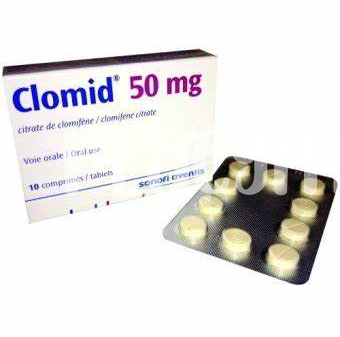
Men considering clomid often wonder about possible downsides. While clomid is generally well-tolerated, some men experience mood swings, vision changes, or headaches, which can catch them off guard. These side effects usually resolve after treatment ends, but they shouldn’t be ignored—especially if symptoms persist.
Rarely, clomid may also increase the risk of elevated estrogen levels, causing tenderness or swelling in the chest. Regular follow-ups with a fertility specialist help monitor for complications and keep treatment safe and effective.
Clomid Success Stories: Real Insights from Users
Many men have turned to clomid after months or even years of failed fertility attempts, and some have seen impressive changes. For example, one user shared how his sperm count improved from “almost zero” to normal levels after taking clomid for several months. This boost even resulted in a successful pregnancy for the couple, offering hope to others in similar situations.
Another man reported increased testosterone levels alongside better semen quality, noting a renewed sense of energy and motivation. While experiences vary, these stories highlight that clomid can be a valuable option when prescribed appropriately.
| User Experience | Outcome |
|---|---|
| Sperm count improvement | Achieved pregnancy |
| Higher testosterone & energy | Improved semen quality |
Alternatives to Clomid for Male Fertility Boost
Many men are surprised to learn that numerous choices exist beyond Clomid when tackling fertility challenges. Treatments such as letrozole, an aromatase inhibitor, can also stimulate natural testosterone and sperm production, while human chorionic gonadotropin (hCG) injections offer another hormone-based strategy for boosting sperm counts.
Some men respond better to lifestyle changes—maintaining a healthy weight, quitting smoking, reducing alcohol, and managing stress—since these factors have a proven impact on sperm health. For more severe cases, assisted reproductive technologies like intrauterine insemination (IUI) or IVF may be recommended.
It's crucial to collaborate with a fertility specialist who can guide the journey and recommend the best-suited approach for each unique case. Curious readers can dive deeper using trusted overviews from the National Institutes of Health or the detailed guidance from Mayo Clinic.


