

 Microdosing Modafinil: Myth or Productivity Hack? — Evidence, Benefits, and Potential Risks
Scientific Evidence: What Current Studies Actually Show
Recent studies on low-dose modafinil are small and mixed, often focusing on wakefulness rather than subtle microdosing effects.
Controlled trials show modest improvements in attention and vigilance for sleep-deprived or clinical populations, but benefits in healthy adults are inconsistent and sometimes indistinguishable from placebo.
Long-term safety and cognitive gains from chronic microdosing remain untested; larger, placebo-controlled randomized trials are needed before claiming reliable productivity enhancement.
| Finding | Evidence |
|---|---|
| Attention boost in sleep-deprived | Moderate evidence small studies |
| Healthy adults inconsistent | Often similar to placebo |
| Long-term safety unknown | Need larger placebo-controlled randomized trials |
Reported Cognitive Benefits Versus Realistic Expectations
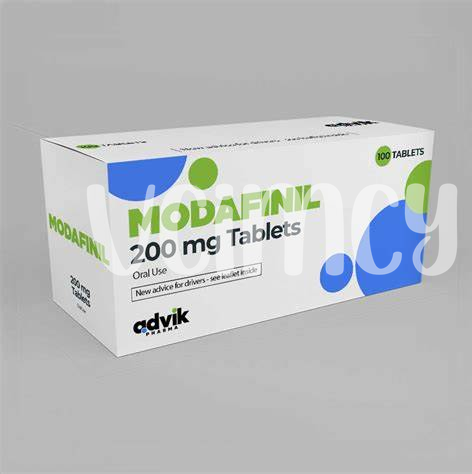
Stories portray modafinil as a cognitive supercharger, but controlled trials mostly show enhanced wakefulness, improved attention, and modest executive benefits, especially in sleep-deprived or clinical populations rather than healthy users.
Self-reports praise focus, motivation, and longer productive stints, yet placebo effects, task type, and baseline ability heavily influence outcomes; large gains are rare and trade-offs like reduced creativity are reported.
Realistic expectations emphasize modest, situational benefit—not a magic solution. Users should weigh marginal, cognitive boosts against side effects, variability, legal issues, and safety, consulting clinicians first before experimenting with modafinil.
Potential Short-term and Long-term Health Risks
A single dose of modafinil can sharpen focus but may bring headaches, nausea, insomnia and anxiety; acute blood pressure and heart rate changes are possible, especially in sensitive users.
Repeated microdosing might mask fatigue while disrupting sleep architecture and cognitive recovery, potentially worsening mood and increasing dependence on the drug to perform.
Longer term risks remain poorly studied; concerns include cardiovascular strain, unknown impacts on neuroplasticity, and rare but severe allergic or psychiatric reactions that require medical attention. Regular clinical monitoring plus physician guidance helps prevent complications and misuse effectively.
Safe Use Considerations and Medical Supervision

Start by discussing intentions with a clinician rather than self-prescribing; a single patient story illustrates the risk — someone increased a low dose and developed persistent insomnia and anxiety. A prescriber evaluates allergies, other medications, and cardiovascular baseline before any trial.
If prescribed, start with the lowest effective dose and keep a symptom diary to track sleep, mood, and blood pressure. Periodic labs and follow-up appointments let clinicians adjust treatment and detect adverse effects early, especially with chronic use.
Avoid combining stimulants or alcohol, report any rashes or allergic signs immediately, and consider sleep hygiene and behavioral strategies alongside pharmacology. Shared decision-making preserves autonomy while minimizing harms when exploring cognitive enhancers like modafinil under medical guidance.
Ethical, Legal, and Professional Workplace Implications
When colleagues discreetly credit modafinil for late-night efficiency, workplaces face a moral puzzle. Decision-makers must consider workplace culture, equality, and the distinction between therapy and enhancement.
Unequal access and pressure to perform can erode fairness: teammates without prescriptions or contraindications may feel coerced into unapproved pharmacological strategies. Peer norms can normalize off-label use, creating ethical gray zones and potential career consequences for dissenters.
Legally, employers must balance safety, liability, and privacy — drug policies, testing, and accommodation for medical prescriptions are complex and jurisdiction-dependent. Occupational health policies should clarify prescription verification, reasonable accommodations, and criteria for performance-related interventions.
Transparent policies, clinician consultation, and emphasis on evidence-based productivity tools protect health and careers; framing support rather than punishment fosters trust and reduces hidden risks. Training managers to discuss reasonable support and discouraging covert substance use reduces discrimination and legal exposure systemically too.
| Concern | Recommended Action |
|---|---|
| Unequal access | Education and fair accommodations |
| Safety/liability | Medical oversight and clear policies |
Evidence-based Nonpharmacological Alternatives to Improve Productivity
Many people seek drug-free strategies to boost focus and stamina during demanding work. Simple behavioral shifts—structured breaks, prioritized tasks, and consistent sleep—yield measurable gains. Cognitive science shows that attention is a limited resource; designs that minimize context switching and reduce decision fatigue often raise sustained performance.
Physical exercise and short high-intensity intervals enhance executive function and mood within hours; mindfulness training improves working memory and distraction control over weeks. Hydration, stable protein-rich meals, and limiting late caffeine protect sleep quality, which underpins learning and problem solving. Environmental tweaks—natural light, ergonomic setup, and noise control—reduce cognitive load and errors.
Adopt small experiments: time-blocking, Pomodoro intervals, morning routines, and weekly reviews to find what scales for you. Track objective outcomes such as completed tasks, error rates, and sustained attention metrics daily. For clinical context on pharmacological comparators consult authoritative sources PMC MedlinePlus


