

 Proper Inhaler Technique: Maximize Symbicort Benefits
Master the Basics: Know When to Use Inhaler
I remember the first time my chest tightened; a quick, calm inhaler use brought relief. Recognize triggers and symptoms so you know when to take your prescribed dose as needed.
Follow your action plan: use rescue inhaler for sudden wheeze or shortness of breath, and take maintenance doses routinely to control inflammation even when you feel fine per doctor instructions.
Timing matters: inhale before exercise if exercise induced symptoms occur, use a spacer if directed, and avoid doubling doses; contact your clinician for worsening signs and keep your plan updated.
| Use | Example |
|---|---|
| Rescue | Sudden wheeze or breathlessness |
| Maintenance | Daily controller dose |
Preparing Your Inhaler: Priming, Shaking, Dose Checking
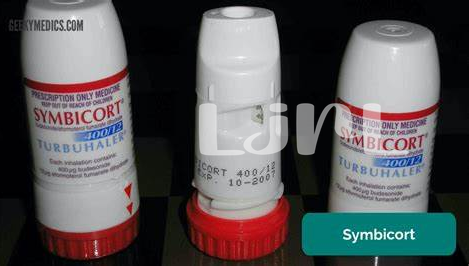
You reach for your inhaler and treat it like a familiar tool—before the first breath, prime it so the medicine will deliver properly. New canisters and devices unused for several days usually need test sprays; follow the manufacturer’s directions and aim sprays away from your face. Priming removes air pockets and ensures consistent dose strength.
A quick, vigorous shake mixes the aerosol and active ingredients—five seconds is usually enough. Hold the inhaler upright, shake, then keep it level as you prime or before each puff. If you hear rattling or notice clumps, stop using the device and consult your pharmacist or prescriber; a clean, well-maintained canister works predictably.
Check the dose counter before leaving home and record remaining puffs. For a symbicort inhaler, replace the canister when the counter nears zero and never use expired medication; carry a spare always.
The Perfect Breath: How to Inhale and Hold
Stand or sit upright, relax your shoulders and breathe out gently. Bring the symbicort inhaler to your mouth, sealing lips around the mouthpiece. A calm beginning sets the stage for proper medicine delivery every time.
Just before pressing the canister, inhale slowly and deeply through your mouth. Start a steady, firm in-breath that draws the aerosol to the lungs rather than the throat. Aim for a five-second inhalation when possible.
When the dose is released, hold your breath for about ten seconds to let medication settle. If you can’t hold ten seconds, aim for at least four to five seconds to improve deposition in lungs.
Practice with empty devices to build rhythm; timing becomes instinctive. For many, using a spacer changes the inhalation technique and can reduce coordination demands, helping more drug reach the lungs with each symbicort inhaler actuation.
Seal the Deal: Mouth Position and Timing for Delivery
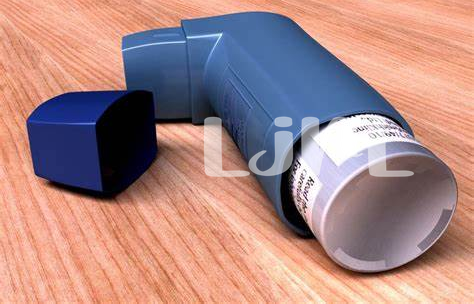
Imagine the medication coursing into your lungs: set the Symbicort inhaler between your teeth and close your lips tightly around the mouthpiece so no air escapes. Tilt your head slightly back, exhale gently, then begin a slow, deep inhalation. As you start to breathe in, press the canister once to release the dose and continue inhaling steadily for several seconds.
After inhalation, hold your breath for about ten seconds or as long as comfortable to allow particles to deposit. If a second puff is prescribed, wait thirty seconds to a minute, shake again, and repeat. Avoid breathing out into the device and rinse your mouth regularly after use if directed to reduce local side effects.
Avoid Common Mistakes That Reduce Medication Effectiveness
One hurried inhale won’t help if you exhale into the device first; start by breathing out fully, carefully position the mouthpiece, then actuate while beginning a slow, deep breath.
Hold that breath for six to ten seconds to let medication reach small airways; many users also forget to wait between puffs or miss priming steps, reducing dose delivery.
Regular review of technique, using a spacer if prescribed, and tracking symptoms keeps therapy effective and helps you spot problems early — ask your clinician to watch and coach your symbicort inhaler use.
| Mistake | Fix |
|---|---|
| Not holding breath | Hold 6–10 s |
Care, Cleaning, Storage, and Tracking Your Inhaler Use
Treat your inhaler like a small machine: inspect the mouthpiece weekly for debris and check the dose counter before refills. Know your device so cleaning matches manufacturer instructions and keeps medication effectiveness intact over time.
For pressurized inhalers, remove the canister and wash the plastic actuator in warm soapy water weekly; rinse and air-dry completely before reassembling. For dry-powder devices, avoid soaking—simply wipe the exterior and keep the mouthpiece dry.
Store at room temperature away from direct heat, extreme cold, or humid spaces like bathrooms. Replace the cap, carry a spare when traveling, and never leave the inhaler in a hot car or direct sunlight.
Track doses with the built-in counter or a simple log—note dates, missed doses, and refill thresholds. Use reminder apps, sync with pharmacy refills, and bring the inhaler to clinic visits for technique checks and review.


